
Knoxville Directory Collection Paths
The Calvin M. McClung Historical Collection is the principal local shelf for historical Knoxville directories. It reports a complete city-directory run from 1859 to the present, while its telephone-directory run begins in 1898. The collection is on the third floor of the East Tennessee History Center. A catalog record, reference volume, microfilm, and staff request can each answer a different part of the same question, so retain the edition and format used.
| Collection | Years | Where Held | Access |
|---|---|---|---|
| Knoxville city-directory run | 1859 to present | McClung Collection, East Tennessee History Center | Reference and staff-assisted research |
| 1859-60 Knoxville directory photocopy | 1859-60 | McClung reference collection | In-person reference use |
| Knoxville telephone directories | 1898 forward | McClung Collection | Historical reference research |
| City Directory Co., Polk, and cross-reference volumes | Long runs, edition varies | McClung catalog holdings | Physical volumes; confirm with staff |
The McClung catalog record identifies the City Directory Co. of Knoxville and physical volumes in the 1860s, 1880s through the 1910s, the 1940s through the 1960s, and recent years. It also identifies Polk and greater-Knoxville cross-reference directories. The catalog is a finding aid, not proof that every year or person is available in the same format.
Reading a Knoxville Directory Entry
Directory publishers arranged information for quick use, not for modern identity checks. A historical Knoxville volume may combine a name, street address, occupation or role abbreviation, spouse or household notation, business connection, later telephone information, and a street guide. Fields change by edition. The 1926 catalog preview preserves abbreviations including “2d fl,” “Apts,” “av,” “bkkpr,” “carp,” “chauf,” “groc,” “rear,” “Vacant,” and “STREET GUIDE,” which is why the key from the same volume matters.
| Name | The person or household name as indexed, including initials and variant spellings. |
|---|---|
| Address | A dated street location that can require old number or street-name variants. |
| Role or occupation | A contemporary description or abbreviation, sometimes tied to a business. |
| Household clue | A spouse or household indicator when that edition prints one. |
| Street guide | The volume’s street-oriented reference for nearby addresses in that edition. |
- Criss-cross directory
- A later reverse-style directory arranged from address or street toward listed names. It is a dated research aid, not proof of occupancy or ownership.
- Householder index
- An index grouping a household under the person the publisher chose to list. Other people at the address may not appear the same way.
- Abbreviation key
- The publisher’s guide to its own shorthand. Preserve it before expanding an abbreviation in a research note.
Note: Keep the edition year and page with every transcription, because similar names and reused street numbers can otherwise look like one continuous record.
1953 Knoxville Occupant Map
The McClung pre-urban-renewal map is a focused example of a directory used with place history. It connects 1953 directory occupant information to the Riverfront-Willow Street and Mountain View urban-renewal boundaries. Chris DeRolph created, digitized, and georeferenced the project. Its stated year and project boundary are part of the evidence, not small print to omit.
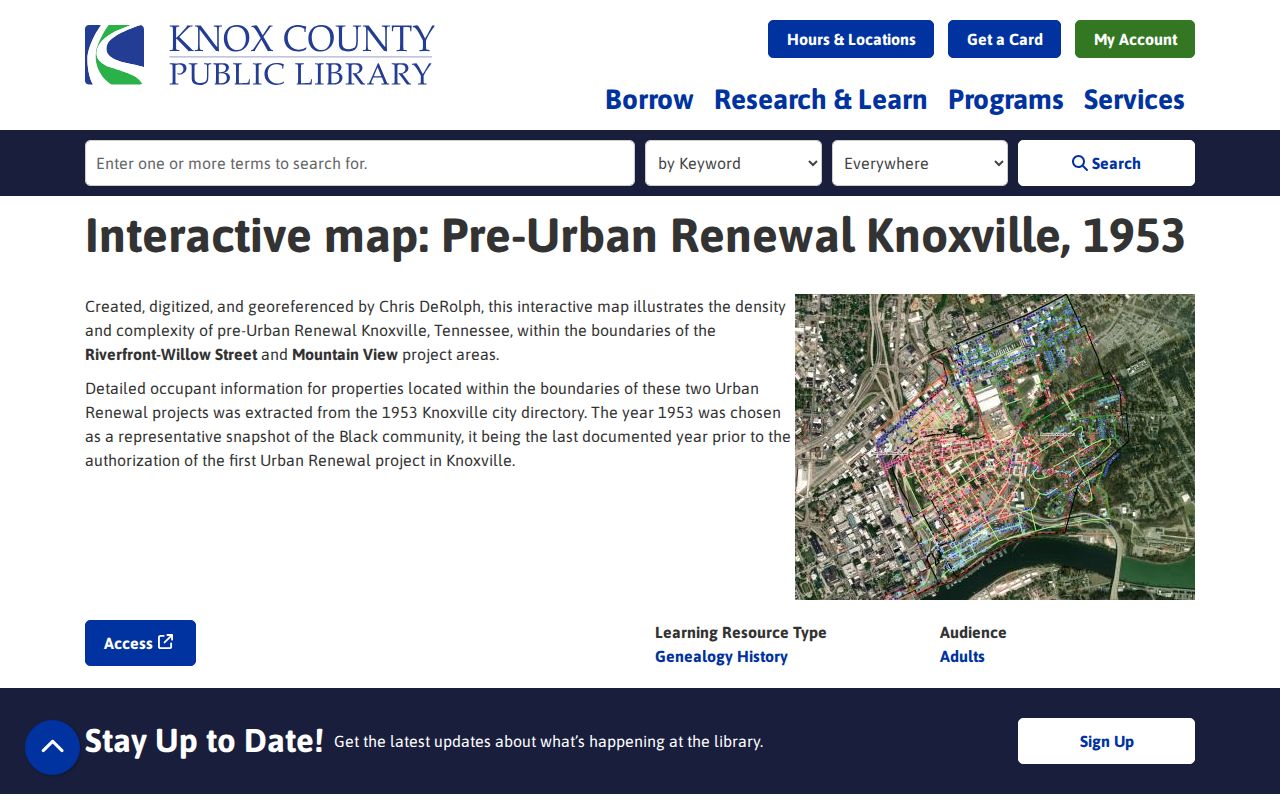
The map can help reconcile an old listing with a documented redevelopment area. It should not become a claim about a current parcel, current household, or a street number that may have changed.
Knoxville Archives and Directory Evidence
Knox County Archives preserves non-current permanent county records with earliest holdings dating to 1792. Listed groups include land, tax, marriages, divorces, probate, wills and settlements, plus court, chancery, circuit, and criminal records. These sources can test a date or geography from a historical volume without converting a dated listing into a current personal profile.
Researchers use the Doris R. Martinson Reading Room on the second floor of the East Tennessee History Center. Archivists can be contacted in person, by mail, email, or phone, and citations should retain a court/book/page reference or archive identifier. Juvenile and restricted materials do not have the same public access, and school records are confidential. Archives hours are generally Monday through Friday, 8:00 a.m. to 4:30 p.m.; confirm the current schedule before visiting.
The Knox County Archives page identifies the repository and reading-room route.
Archive access is the practical fallback when a directory question becomes a county-record question. A request naming an existing record, date span, book, page, or identifier is more workable than a broad request about a person.
Knoxville Directory Names and Naturalization
A name in a historical directory may lead to the Knox County naturalizations collection. McClung’s index and abstract work covers Knox Circuit, Criminal, and Chancery Court minute books from 1792 through 1907. Before 1907, naturalization could occur in local or federal court. After Knox County withdrew from the standardized 1906 process, the federal district court handled the later route.
The route changes after that date. The library says 1906-1991 records are digitized and indexed through Ancestry, while Ancestry Library Edition is available free at the East Tennessee History Center. Search declarations, petitions, oaths, and final certificates as distinct record types. A directory address may help distinguish a name variant, but dates, relationships, and source references must support a family-history connection.
The naturalization research page explains the local and federal chronology.
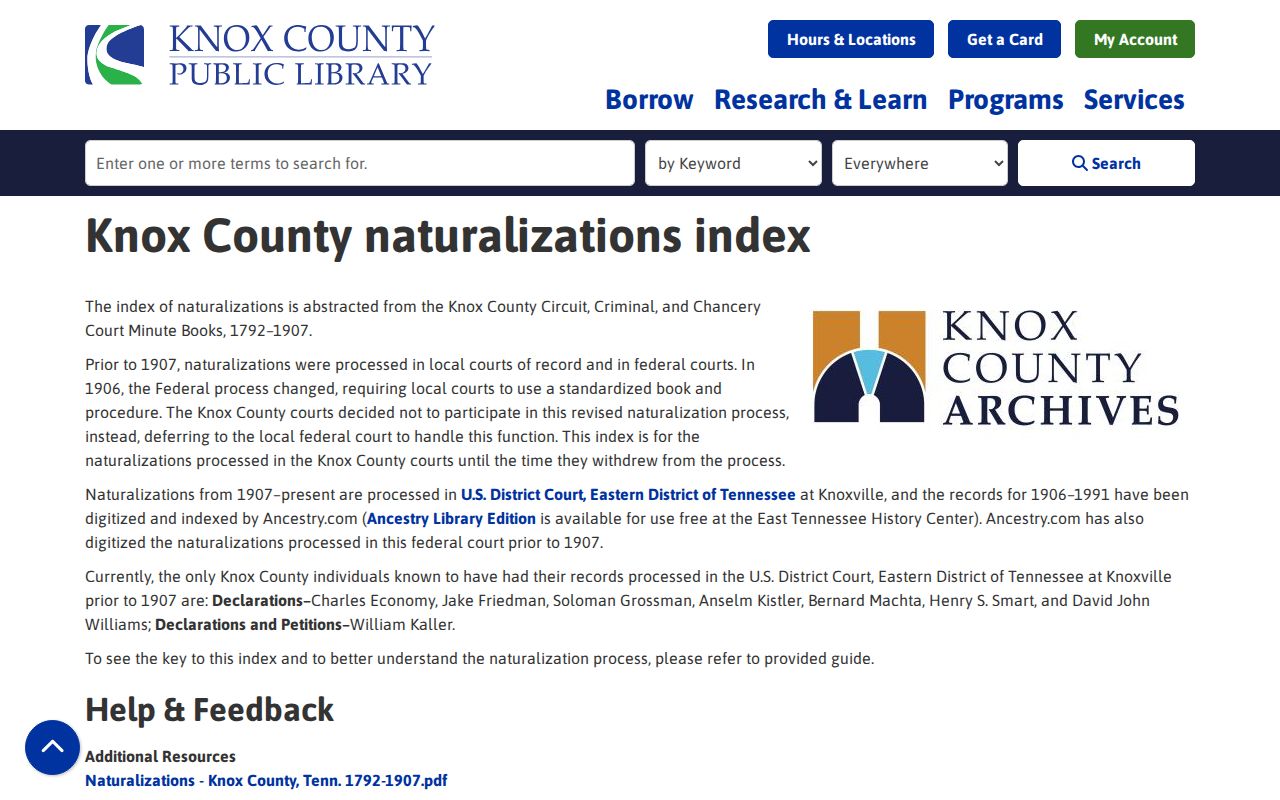
Use the linked guide for name variants and court or book references, then record whether the evidence is an index, abstract, or original record.
Knoxville Directory Place Maps
Maps can make an old Knoxville directory address easier to interpret without supplying a new occupant name. UT Libraries’ Knoxville Sanborn collection includes editions from 1884, 1890, 1903, 1917, and 1922. Sanborn sheets show building footprints, materials, use, street addresses, and hazards as mapped in a particular edition.
The UT Libraries collection is the source for this dated map interface.
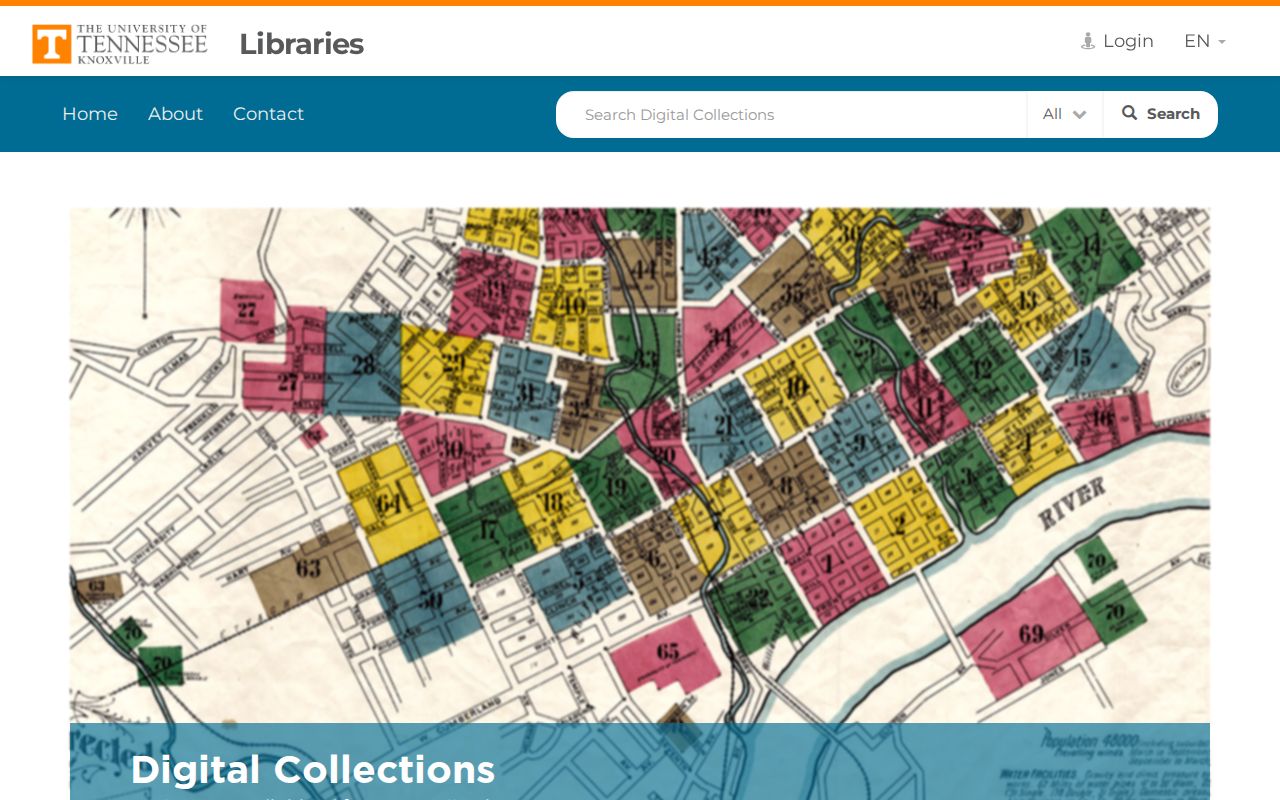
Compare the directory edition and map edition before drawing a conclusion. A Sanborn map is evidence about a structure and place in time, not modern ownership or a complete household list.
Knoxville Family Files at McClung
The Tennessee Ancestors program adds another family-history route. Its First Families program began in 1992, and the organization reports more than 17,000 certificates and 2,500 pioneers; associated files are at McClung. The program also includes War of 1812, Civil War, 1870, World War I, and Century Families projects.
The Tennessee Ancestors research page describes these indexed application files and their review process.
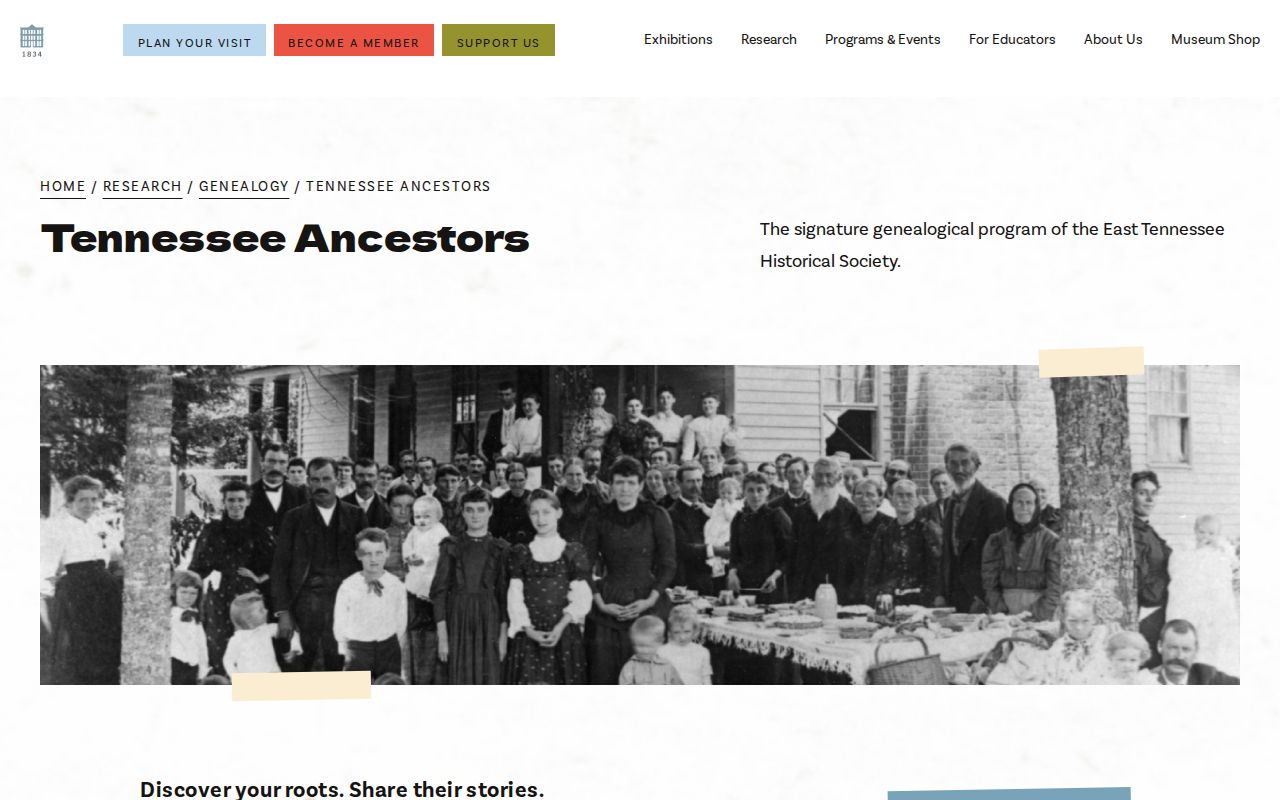
These files are compiled lineage submissions, not official proof of every relationship. They work best as leads to compare against dated directories, original records, and archive citations.
Knoxville Directory Research Timeline
Chronology prevents a common error: reading every historical Knoxville location through current city limits. The city was founded in 1791 and established in 1792, then incorporated in 1815. County holdings, city-directory editions, telephone books, maps, and later annexations each describe a different geographic moment.
- 1792: Earliest Knox County Archives holdings begin, providing county context before the known city-directory run.
- 1859: McClung’s complete Knoxville city-directory run begins; a 1859-60 photocopy is listed at reference.
- 1898: McClung’s Knoxville telephone-directory run begins.
- 1953: The pre-urban-renewal project uses that year’s directory occupant information in its defined map area.
- 1961-62: Annexation increased Knoxville from 26.5 to 77.6 square miles, changing how old addresses relate to city limits.
Fort Sanders incorporated as West Knoxville in 1888, was annexed in 1897, and later saw street renumbering to fit the existing city pattern. Search an old street with period names and numbers before deciding that a city directory has no match.
Trace a Knoxville Directory Household
Following a household through city directories is a sequence of dated checks. Start with the clearest year, then move one edition at a time. A move, changed initial, or missing line deserves verification rather than a guess. Census microfilm, newspapers, naturalization records, maps, and county archive material can narrow possibilities when they carry compatible dates and geography.
- Find the first verified listing and record the exact name, address, edition, and page.
- Check the editions immediately before and after it for a move, spelling variation, role change, or different household notation.
- Use that edition’s street guide or cross-reference volume to understand surrounding addresses, keeping the result historical.
- Pair the directory period with a census year or McClung microfilm source, comparing only stated dates and relationships.
- Use a newspaper, obituary, probate record, or archive citation to investigate a disappearance from the listings.
A person may vanish because of a move, death, an unlisted telephone number, changed household arrangement, indexing choices, or a missing edition. No single explanation follows from absence. For current address-keyed records, use the Knoxville By Street directory after separating the historical question from the modern one.
Note: A same-name match needs more than one non-sensitive corroborating detail before records from separate years or collections are connected.
Knoxville Obituaries With City Directories
McClung offers newspaper microfilm for the Knoxville Journal, Knoxville News-Sentinel, Metro Pulse, and other local titles, along with subject files and clippings. An obituary can identify relatives, a stated residence, institutions, a church or cemetery, and service dates. It remains a secondary historical source and may contain errors. A certificate, probate record, cemetery custodian, or contemporaneous notice can provide a useful check.
Recent death certificates are controlled vital records. Tennessee makes death records public after 50 years, and older material may be at the Tennessee State Library and Archives. Before that period, qualified relationships and entitlement rules apply. No single complete official Knoxville obituary database was located, so the archive, library, and named record custodian are the practical access chain.
Knoxville City Directories Across Boundaries
Historic Knoxville labels need their own geography. The city’s 1917 annexation history includes Park City, Lonsdale, Mountain View, and Oakwood, while the 1961-62 annexation substantially expanded the city footprint. A nineteenth-century address described as Knoxville may have been in a separate community or outside the modern city line. Keep the source’s place name alongside a current map reference rather than replacing it.
For a public record unavailable at the library or archives, Tennessee’s Public Records Act allows an inspection request in person, by phone, fax, mail, email, or online, although a custodian may require a written request for copies. The Open Records Counsel guidance says a custodian should promptly respond, or respond within seven business days with access, an estimate, or an explanation. Describe an identifiable existing record and ask for public portions when redaction may be needed.